






















Understanding What Marketing Collateral Is and How It Boosts Your Business
Written by Gabrielle Brogan

Marketing Collateral: What It Is, Types, and How to Use It to Grow Faster
Marketing collateral is the collection of branded digital and physical assets a company uses to communicate its value, support sales and help buyers make decisions. Examples include sales decks, one-pagers, case studies, brochures, landing pages, white papers and videos. In this guide you’ll learn what marketing collateral is, the essential types, and a simple system to audit, improve, and deploy it for measurable results. If you want expert help creating high-impact assets, explore our Marketing Collateral services.

Table of Contents
- Definition: What Is Marketing Collateral?
- Why It Matters: Brand, Sales, and ROI
- Core Types of Marketing Collateral (with Examples)
- How to Build a High-Performing Collateral Stack (Step-by-Step)
- Best Practices & Common Mistakes
- FAQ
- Resources & Further Reading
Definition: What Is Marketing Collateral?
Short answer: Marketing collateral is any physical or digital asset that communicates your value and helps a prospect make a buying decision. It could be anything from a brochure, to a simple one-pager, case studies, whitepapers, web pages, landing pages, and videos.
Why It Matters: Brand, Sales, and ROI
- Brand consistency: Cohesive collateral builds familiarity and trust across channels.
- Faster sales cycles: Right-time assets answer objections and reduce back-and-forth.
- Attribution & enablement: Trackable PDFs/links show what content closes deals—then build more of it. See the latest trends in the HubSpot State of Marketing report.
Core Types of Marketing Collateral (with Examples)

| Type | Purpose | Tips |
|---|---|---|
| One-pager / Product sheet | Give buyers a fast, scannable overview of the offer.
Buyer stage: Consideration |
Lead with outcomes; add specs and a single CTA.
Example: Product/service overview |
| Case study | Prove results with a client story, metrics, and quotes.
Buyer stage: Consideration/decision |
Use one KPI headline; include industry, problem, solution, results.
Example: Illustrate the client’s problem to solution to result |
| Sales deck | Guide discovery and pitch; align stakeholders.
Buyer stage: Decision |
Keep slides light; add appendix for detail.
Example: Pitch or proposal deck |
| Website / Landing page | Capture demand and convert with clear value props.
Buyer stage: Any |
Match search intent; include social proof and FAQs.
Example: Campaign or offer page, industry focused page |
| Whitepaper / Guide | Educate on complex topics; support ABM and PR.
Buyer stage: Awareness/consideration |
Executive summary + section summaries for skim readers.
Example: Research of thought leadership article |
| Video (sizzle / explainer) | Increase engagement and comprehension quickly.
Buyer stage: Any |
90–120s max; subtitles; reuse in social & sales emails.
Example: Product explainer |

How to Use Marketing Collateral Across the Buyer Journey
Different types of marketing collateral support different stages of the buyer journey. The most effective collateral is created with a clear audience, purpose, and next action in mind.
Awareness
At the awareness stage, collateral should help potential buyers understand a problem, opportunity, or topic. Useful formats include guides, videos, thought leadership, and infographics.
Consideration
As buyers begin evaluating their options, collateral should help them understand your approach, capabilities, and differences. Case studies, comparison sheets, product pages, and white papers can provide the detail and proof they need.
Decision
At the decision stage, collateral should make it easier for buyers to evaluate your offer and move forward. Sales decks, proposals, one-pagers, and proof assets can help answer final questions and support internal decision-making.
Customer and Retention
Marketing collateral also plays an important role after the sale. Onboarding materials, product guides, newsletters, and training resources can help customers get more value, stay engaged, and understand additional opportunities.
Already have a large library of materials? Use our marketing collateral audit guide to identify what to keep, update, consolidate, or retire.
Best Practices & Common Mistakes
- Align with strategy: Collateral should reflect positioning and business goals.
- Keep it scannable: Use strong headings, bullets, tables, and pull-quotes.
- Avoid “asset sprawl”: Remove outdated PDFs; keep one canonical version per asset.
- Show results: Add quantified outcomes and client logos.
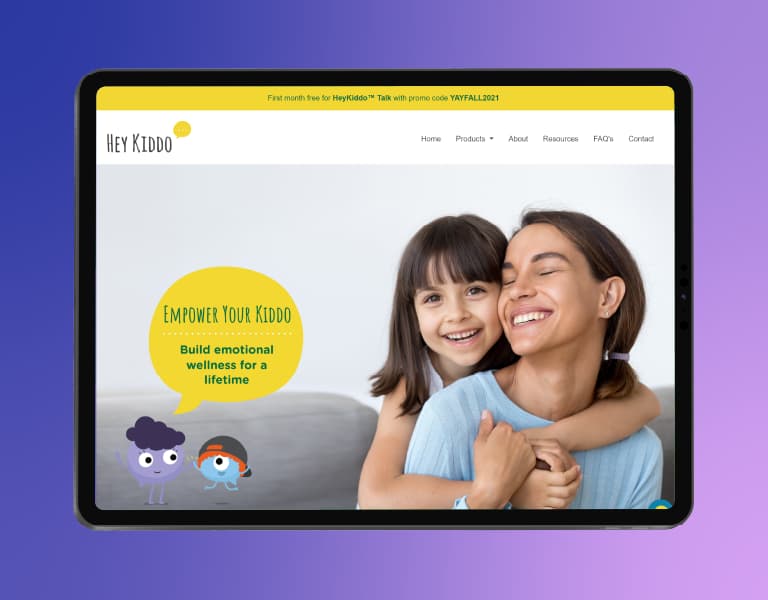
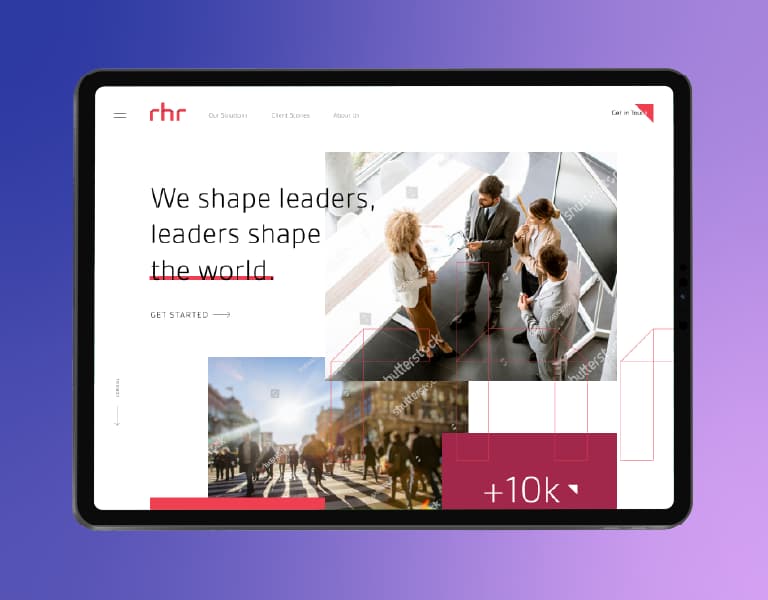
Here are some examples of how we have tried to do it with our own clients, for inspiration:
- RHR International case study
- Berkshire Hathaway Fox & Roach Recruiting Deck Case Study
- The Center for ADHD
- Case Study created for Ingenuous on their client Tenacy

FAQ
Is marketing collateral just brochures?
No. It spans print and digital: one-pagers, decks, case studies, landing pages, videos, and more. The point is to communicate value and move the deal forward. Learn more on our Marketing Collateral page.
How do I know which assets to create first?
Audit the funnel for gaps (e.g., no proof for your top industry). Start with the smallest asset that removes the biggest objection. Our audit guide walks you through it.
What’s the difference between content marketing and collateral?
Content marketing attracts and educates broadly (blogs, podcasts). Collateral supports specific buying steps (one-pagers, case studies, sales decks). Both should share consistent messaging and design.
Resources & Further Reading
- Investing in Professional Content Marketing Services: why expert teams keep collateral strategic and consistent.
- Research & Discovery: buyer insights shape collateral.
- King’s Crest Global — explore all our marketing solutions.